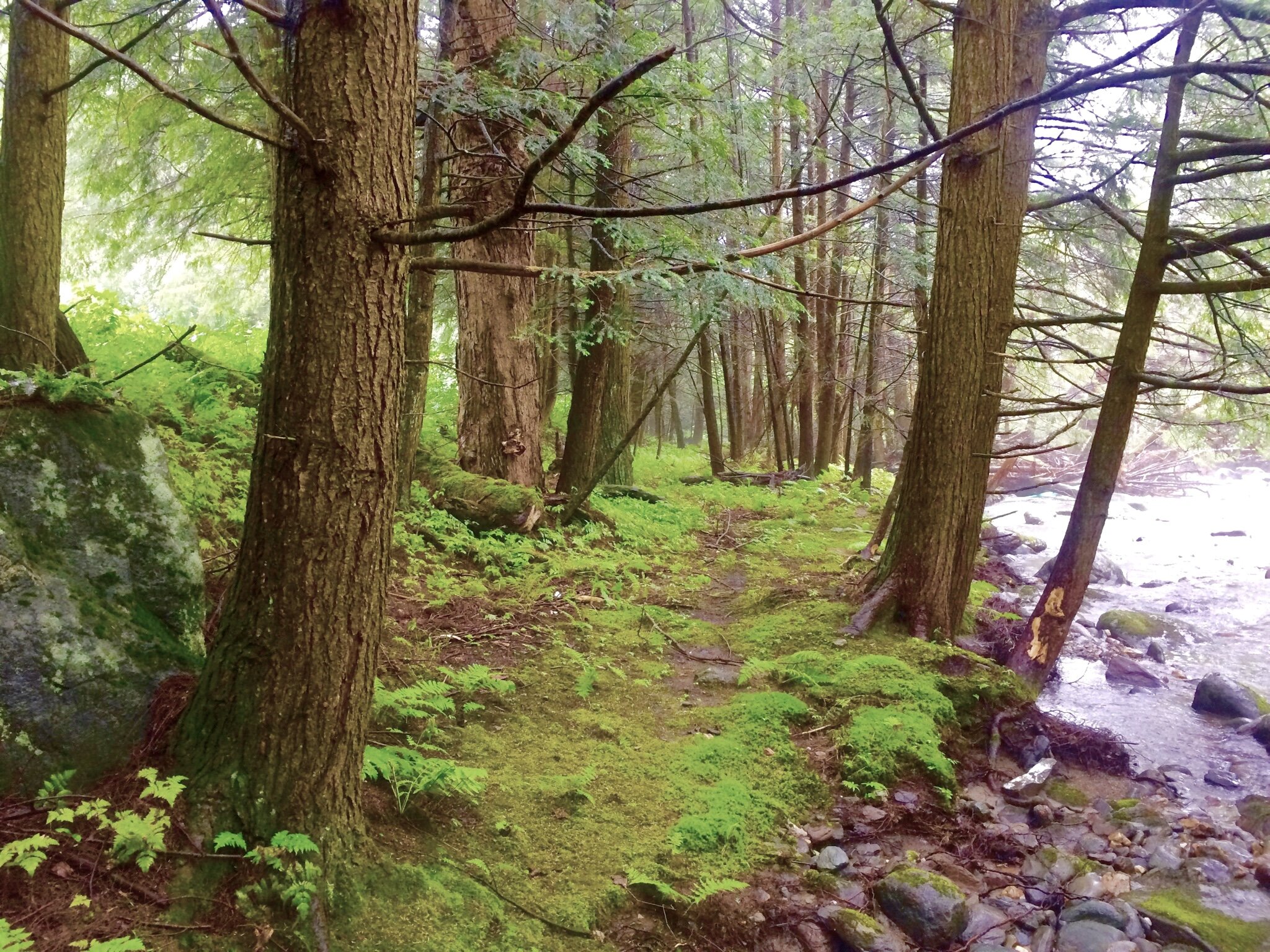
Writing the 7R Covenant
relationship, respect, reciprocity, reverence,
responsibility, rights, representation
With over 25 years in expert land planning, appraisal, international conservation expertise, real estate law, and high-net-worth individual and institutional consulting, Shawn Smith (Director and VP of LivingFuture Foundation) brings her Indigenous ancestry, land ethic, and considerable expertise together to create a covenant dedicated to traditional ecological knowledge land custodianship, and re-learning human-land intimacy.
This form of covenant emanates from a kinship worldview, integrating sophisticated wildlife ecology based on both science and sacred kin relations, soil science, forestry, climate planning, cohabiation practices, and food and medicine growing/gathering, recognizing the sacred non-separation within the living world.
7R Covenant embodies a 23-year, ongoing learning process in our own care of SHO Farm’s 1296 mountain acres, and applies its lessons to a modern and rigorous vision of conservation that factors in climate and human impacts, the needs of wildlife to raise their young undisturbed, how to sequester carbon while growing food, and how to work with native plants, pollinators, and birds in designing low-impact and high nutrient-yielding human foodways that expand critical habitats.
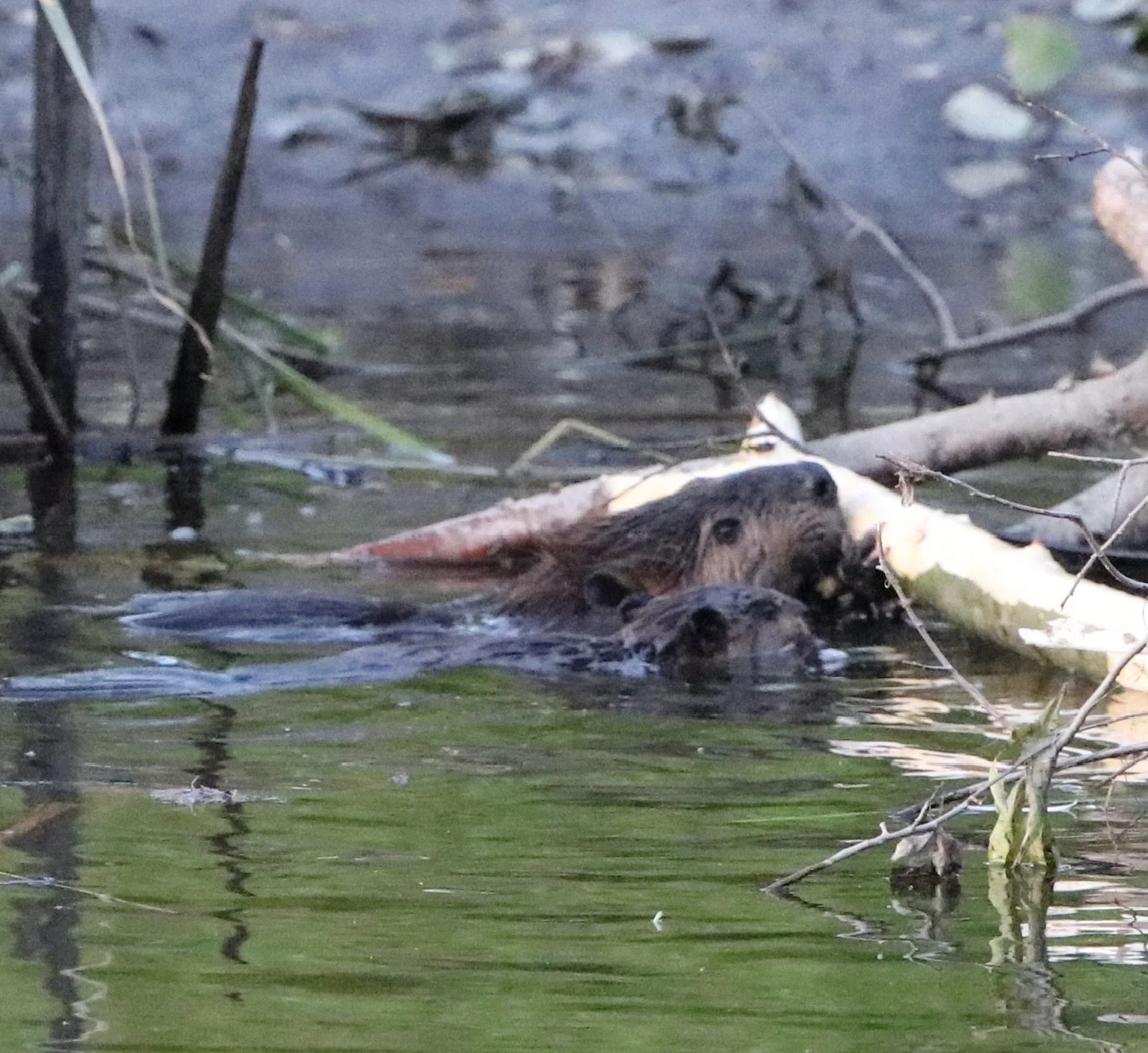
The Covenant will not only preclude extractive practices relating to plants or animals— in essence creating safe zones for animals — it will advocate for and offer sophisticated planning for ongoing ecosystem and habitat enhancements. All with a guiding ethic of reciprocity, and deference to Traditional Ecological Knowledge lifeways which themselves reflect the deep-time knowing of place.
A primary component of the conservation mindset represented here challenges a fundamental Manifest Destiny cultural perception: that the land and all who inhabit her is here for US. We perceive, understand, bond, and identify land as a living entity with humans as an integral part. We view land through the many eyes of animals who reside here.
We ask the hard questions that force us to transcend human entitlement to account for the needs of others: ‘What do the animals need? What does the ecosystem as a whole need? What does the forest need? What does the climate need?’ as part of a creative partnership. We guide practices that tip the balance away from human entitlement—including, for example, some types of recreation that disrupt grassland and shrub-land bird breeding cycles and the foraging and feeding patterns of wildlife rearing their young, which may supersede our personal desires to use land simply for our pleasure or entertainment.
Conservation as Presence
Creating a relational 7R covenant—represents the first step to modeling what a typical Relational Lifeways easement will look like, and will likely challenge and complement the existing land trust model as we move towards a culture of reciprocity and enoughness, and away from the premise of needing to solely control or prevent extractive practices.